



Summer Programs at US Boarding Schools: A Guide for International Families in 2026
If you're a parent or student considering a U.S. boarding school in the coming years, one question often comes up early in the decision-making process: How can we truly experience life at a U.S. boarding school before committing to three or four full academic years?
For many international families, the answer lies in carefully selected summer abroad programs for high schoolers hosted directly on boarding school campuses.
Summer programs at U.S. boarding schools are surging in popularity among families from China, India, Korea, Vietnam, and beyond. This comprehensive 2026 guide, written by Mr. Xi Zhang, Founder of FindingSchool, draws on his perspective as a former international student and education entrepreneur to explain what these programs are, why they can be especially valuable for international students, the different formats available, realistic benefits and challenges, typical costs, application timelines, and the top destinations across the United States.
What Are Summer Programs at US Boarding Schools?
Summer programs are immersive 2- to 8-week experiences designed for high school students (typically ages 13-18) and held on the campuses of America's leading boarding schools during summer vacation. They combine rigorous academics, cultural activities, and personal development in a safe, fully supervised environment.
There are two main formats:
- Summer camps (usually 2-3 weeks, often day-only, popular with local families)
- Summer schools (minimum 4 weeks, almost always residential with boarding)
This guide focuses on residential summer school programs, which are widely considered the most effective option for international students seeking an authentic U.S. boarding experience. In these programs, students live on campus in school dormitories, share daily meals, and follow structured academic and extracurricular schedules under full staff supervision - closely reflecting the rhythm of the regular boarding school year, as described on official boarding school summer program pages.

Source: The Webb Schools
Many leading boarding schools describe their summer offerings as fully immersive residential experiences, such as the on-campus summer programs at Choate Rosemary Hall, which are designed to replicate the academic and community environment of the regular school year.
Types of Summer Programs
U.S. boarding school summer programs are designed to serve different learning goals and student profiles. While all offer structured academic and residential experiences, each program type places emphasis on different areas - such as language development, subject exploration, leadership, or college preparation. Understanding these categories can help families choose a program that best matches a student's needs and readiness.
- English Language Immersion - Programs centered on intensive ESL instruction combined with daily academic and social practice in an English-speaking environment.
- Academic Enrichment - Subject-focused programs that allow students to explore areas such as STEM, debate, writing, or robotics through short, intensive courses.
- Leadership & Cultural Exchange - Programs emphasizing leadership development, community engagement, and cross-cultural understanding, often rooted in a school's educational values.
- University-Prep / Credit-Bearing Programs - Advanced summer courses designed to resemble pre-college or early university study, sometimes offering formal transcripts upon completion.
Key Questions International Families Consider Before Enrolling
Before enrolling in a U.S. summer program, international families typically evaluate several practical questions to determine whether the experience is a good fit for the student and the family's broader education plans:
Is the student ready?
Considerations often include age, emotional independence, and academic maturity, as summer programs require students to manage daily routines and adapt to new environments with limited parental support.
How is the program structured and supervised?
Families look closely at housing arrangements, staff-to-student ratios, safety protocols, and the availability of academic and pastoral support outside the classroom.
How closely does the program reflect real boarding school life?
Key indicators include dorm living, communal meals, classroom expectations, extracurricular activities, and overall campus routines.
Does the program offer meaningful educational value beyond branding?
Families often assess curriculum quality, faculty involvement, and opportunities for genuine skill development rather than relying solely on school name recognition.
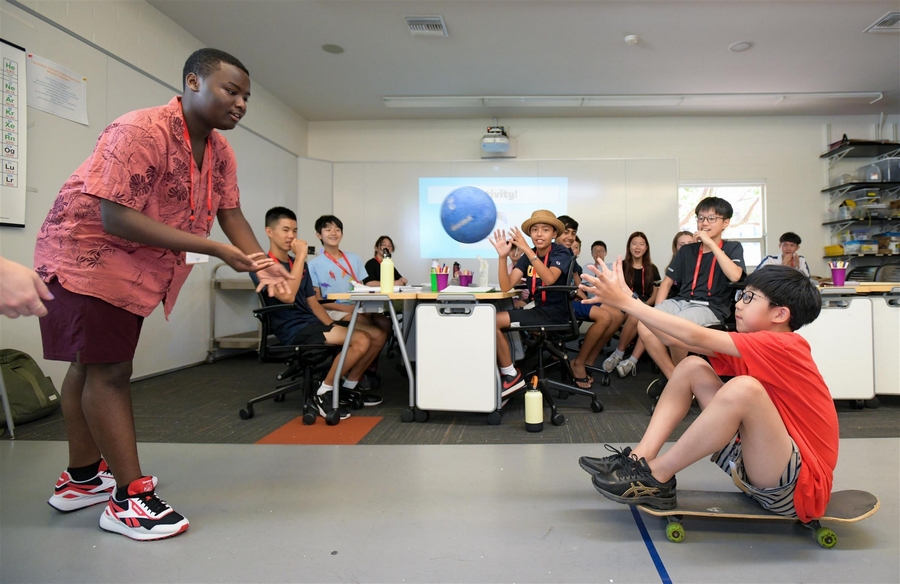
Source: The Webb Schools
What Students Experience in a Residential Summer Program
Residential summer programs offer international students a structured micro-experience of boarding school life by combining academic coursework, community living, and supervised daily routines. According to the National Association of Independent Schools (NAIS), residential environments promote student independence and holistic engagement by blending academics with community expectations outside the classroom .
Drawing on aggregated feedback from students and families on FindingSchool, participants frequently highlight the following core aspects of their residential summer experience:
- Daily schedules: Students follow a balanced routine that includes academic classes, organized activities, study halls, and supervised free time. These structured days help learners build time management, adaptability, and real-world organization skills.
- Dormitory life and support: Residential living places students in on-campus dormitories with adult supervision and trained resident advisors. This arrangement reinforces personal responsibility while providing support similar to what students would find during the regular academic year. Independent research on boarding environments notes that supervised residential settings help foster emotional resilience and social maturity.
- Social and cross-cultural interaction: Living and learning alongside peers from different regions and cultures encourages communication, collaboration, and expanded worldview - outcomes that many families and students on FindingSchool report as among the most impactful parts of their experience.

Source: Phillips Academy - Andover
- Comparison to the regular school year: While shorter and more intensive, residential summer programs reflect key elements of long-term boarding life - scheduled academics, shared meals, community norms, and structured social interaction - offering families a meaningful "preview" before longer commitments.
Common Challenges for International Students, and How Schools Address Them
International students often face several adjustment challenges when joining U.S. boarding school summer programs, particularly during the early weeks. Experienced programs typically anticipate these issues and put support systems in place to help students adapt.
- Emotional adjustment and homesickness - Short-term separation from home can be challenging, especially for younger students. Schools commonly provide structured routines, dorm staff support, and regular check-ins.
- Language fatigue and communication barriers - Constant English immersion may cause fatigue, even for proficient speakers. Many programs offer academic scaffolding, additional language support, and low-pressure opportunities for daily interaction.
- Cultural differences - Classroom participation styles and social norms may differ from students' home countries. Orientation sessions and ongoing guidance help students adjust to U.S. academic and community expectations.
- Student support systems - Well-established programs typically rely on resident advisors, faculty mentors, and clear communication channels to support student well-being throughout the session.
How Much Do They Cost?
Cost is often one of the first practical questions families consider when evaluating U.S. boarding school summer programs. While prices vary widely based on program length, location, and what's included, understanding the typical cost range can help families plan realistically and compare options more effectively.
According to FindingSchool's 2025-2026 data, full residential summer programs typically range from $3,000 to $8,000 in total. Day-only options are generally 40-60% less expensive, averaging $1,500-$4,000.
Key pricing factors:
- Duration: 1-2 weeks ($1,000-$3,000) | 4-6 weeks ($4,000-$8,000+)
- Inclusions: Most residential programs cover tuition, housing, meals, activities, and excursions
- Financial aid: 30-50% of programs offer scholarships (20-100% reduction), with many prioritizing international students
- Average per-week cost (boarding): $600-$1,200
The following examples illustrate the range of residential summer programs available, rather than serving as a ranking or recommendation list.
Highlighted Summer Programs (2025-2026):
| School Name | Program Name | Duration | Cost (USD) | Notes |
|---|---|---|---|---|
| Choate Rosemary Hall | Summer Studies (academic enrichment, grades 6–12) | 5 weeks | $7,800 | Full boarding, books & activities included; day option $4,800; aid available |
| Hotchkiss School | Summer Portals (arts, sciences, writing; grades 7–12) | 3–4 weeks | $5,500–$6,500 | All-inclusive; specialty camps extra |
| Northfield Mount Hermon | Summer Session (English immersion + academics; grades 8–12) | 4 weeks (July 5–Aug 2) | $5,800 | Strong ESL & global focus; aid up to 50% |
| Tabor Academy | Tabor Summer Camp (general enrichment: sports, arts, marine exploration, teamwork) | Flexible 1–6 weeks (June–August; weekly options) | $720/week | Seaside campus; marine science emphasis |
| Wolfeboro Camp School | Academic Summer Program (pre-college prep + ESL; grades 7–12) | 6 weeks | $7,200 | Lakeside setting; up to 40% scholarships for internationals |
Application Requirements & Timeline (2026)
Applying to a U.S. boarding school summer program requires advance planning, as many programs have limited capacity and structured admissions timelines. Understanding basic eligibility criteria and key deadlines can help families avoid last-minute pressure and visa complications.
Basic eligibility requirements generally include:
- Age: Typically 13-18, with students currently enrolled in middle or high school
- Academic readiness: A minimum GPA around 3.0 is commonly expected
- English proficiency: TOEFL, IELTS, or Duolingo scores may be required, depending on the program
- Application materials: School transcripts, recommendation letter(s), and a short personal statement
Typical application timeline for 2026 programs:
- Applications open: October-November 2025
- Early deadlines: December 2025 - January 2026
- Regular deadlines: February-April 2026
- Popular residential programs often fill early, especially those with limited boarding capacity.
Visa considerations: According to guidance from the U.S. Department of State and the Student and Exchange Visitor Program (SEVP), summer programs with 18 or more instructional hours per week generally require an F-1 student visa, with the school issuing an I-20 form. Shorter or non-academic programs may allow entry under a B-2 tourist visa, though requirements can vary by program design and should always be confirmed in advance.
How Families Can Identify the Right Program Fit
Finding the right summer program is about choosing what fits a student's needs, not simply selecting the most well-known school. International families can focus on a few practical factors to make a clearer decision.
Match the program to the student's goals and readiness
Consider whether the student needs language support, academic exploration, or a structured introduction to boarding life. Age, independence, and prior experience studying in English matter.

Students in the Structural Engineering – Aircraft Design summer program at the The Hotchkiss School, showcasing hands-on engineering projects.. Source: The Hotchkiss School
Look for quality and transparency
Strong programs clearly explain their curriculum, daily schedules, supervision, and student support, helping families understand what to expect.
Don't rely on school name alone
A prestigious program may not suit every student. Programs with the right level of support and structure often deliver better outcomes.
Set realistic expectations
Summer programs support growth and exploration. They are not guarantees of admission or instant academic transformation.

"From working with international families over the years, I've seen that summer programs are most valuable when they help students understand themselves better-how they learn, how they adapt, and whether boarding school life truly suits them."
- Mr. Xi Zhang, Founder of FindingSchool
Final Thoughts
A U.S. boarding school summer program offers international students a valuable opportunity to explore academic life, build independence, and better understand future study options. When chosen carefully, these programs can support meaningful growth without requiring a long-term commitment.
To support early research, FindingSchool provides families with the ability to browse reputable U.S. boarding schools, review verified school profiles, academic offerings, and campus environments, and better understand which schools may align with a student's long-term educational goals.
Latest posts