



Financial Aid vs. Scholarships: What Families Should Know About Private K–12 Schools in US
Understanding how U.S. private K–12 schools support families financially is an important part of the application process. Terms like financial aid and scholarships are often used interchangeably, but they serve very different purposes and follow different criteria. Written by Siyu Chen, an international education specialist at FindingSchool, this article breaks down the key differences between financial aid and scholarships at U.S. private schools, helping families and education consultants better understand what to expect—and how to plan effectively.
First of all, private K-12 schools are funded by tuition, private donations, and endowments, not government aid, compared to the federal and state supported public schools which are free to attend.
Understanding Financial Aid (FA)
Financial aid is a type of need-based tuition assistance that helps families afford a private K–12 education when paying the full tuition is not possible. Unlike loans, financial aid does not have to be repaid — it’s a tuition reduction based on the family’s demonstrated financial need.
Families typically submit financial information such as income, assets, and major expenses. The school reviews this application and determines what the family can reasonably contribute. The remaining amount may be covered by the school through its financial aid budget. According to the National Association of Independent Schools (NAIS), families can explore several ways to make private education more affordable — including payment plans, need-based financial aid, and sibling discounts. More details are available on NAIS’s public page, Afford an Independent School Education.
How Financial Aid works:
- Families submit financial information (like income, assets, expenses);
- The school reviews the application and determines how much the family can reasonably pay;
- The school then awards financial aid to cover part of the tuition, reducing the family’s burden.
For example, The Lawrenceville School (NJ, FindingSchool Rank #3 among all private boarding high schools) is a well-known private boarding school with tuition around $80,690 per year for boarding students. According to the school report, for families who qualify, Lawrenceville meets 100% of the cost of attendance. The average need-based aid package is $63,000 for boarding students and $46,000 for day students. Meanwhile, more than 30% of their students receive aid.

Source: The Lawrenceville School
So financial aid is a key tool that allows U.S. private K–12 schools to enroll students based on fit and potential rather than family income alone. By understanding the process and planning ahead, families can better navigate costs and access high-quality educational opportunities.
How about Scholarships?
In terms of scholarships, they are funds granted to students, usually for reasons other than financial need. The fund is usually from school-funded or donor-funded tuition reductions that help offset the cost of attending a private K–12 school. Unlike financial aid, scholarships are not primarily based on family income and are usually awarded for merit, talent, or specific qualities the school values.
The common types of scholarships are:
- Merit-based scholarships: awarded for academic excellence, artistic/musical talent, athletic ability, leadership, or other achievements.
- Mission-driven scholarships: some schools offer them to support diversity, attract students from certain regions, or advance specific programs.
- External scholarships: provided by foundations, nonprofits, or governments to help families pay for private school.
So scholarships are usually more competitive and limited, whereas financial aid is tied directly to family finances. Many U.S. private K–12 schools offer both, but financial aid is far more common. Families often apply for financial aid through a formal process, while scholarships may require a separate application or recognition of student talent.

What do they mean for international students?
Many U.S. private K–12 schools prioritize financial aid for domestic students. However, some boarding schools and larger private schools might offer need-based aid to international students. Aid for international students is limited and highly competitive. Some schools expect international students to pay full tuition unless explicitly stated otherwise.
On the other hand, scholarships are more accessible than need-based aid. Some schools actively use scholarships to attract talented international students. That usually requires a separate application, essays, interviews, or proof of talent/achievement. Not all schools make financial aid policies for international students clear online—families should ask admissions offices directly. After all, even with aid, schools often expect international families to pay a significant portion of tuition to cover boarding, travel, and visa-related costs.
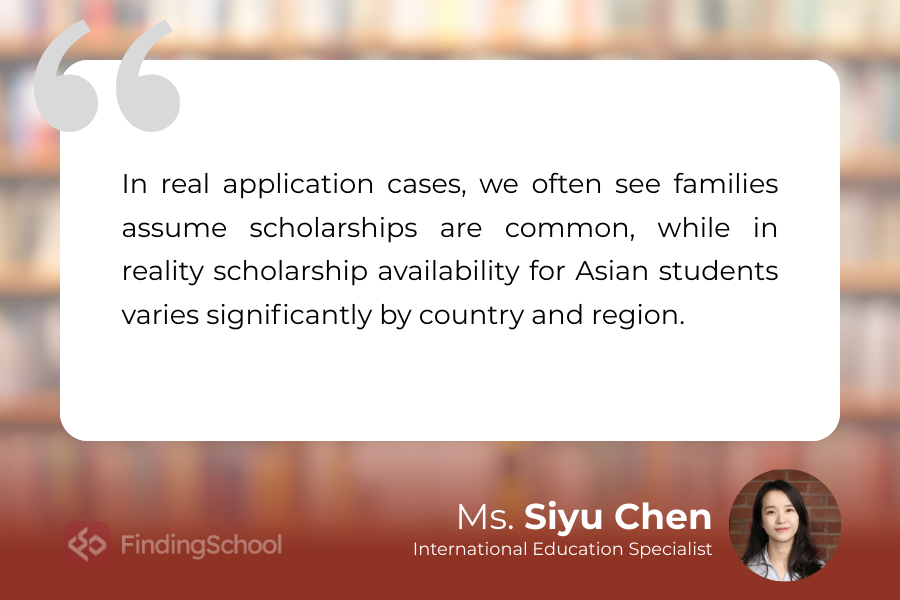
Based on real application experience, Ms. Siyu Chen notes that while many families believe scholarships are widely available, opportunities for Asian students actually vary greatly depending on country and region.
Here's an example of a US boarding high school offering scholarships to Asian students: Admiral Farragut Academy, which is a private co-educational school in St. Petersburg, Florida. It has merit-based scholarships for international students, who demonstrate academic excellence.
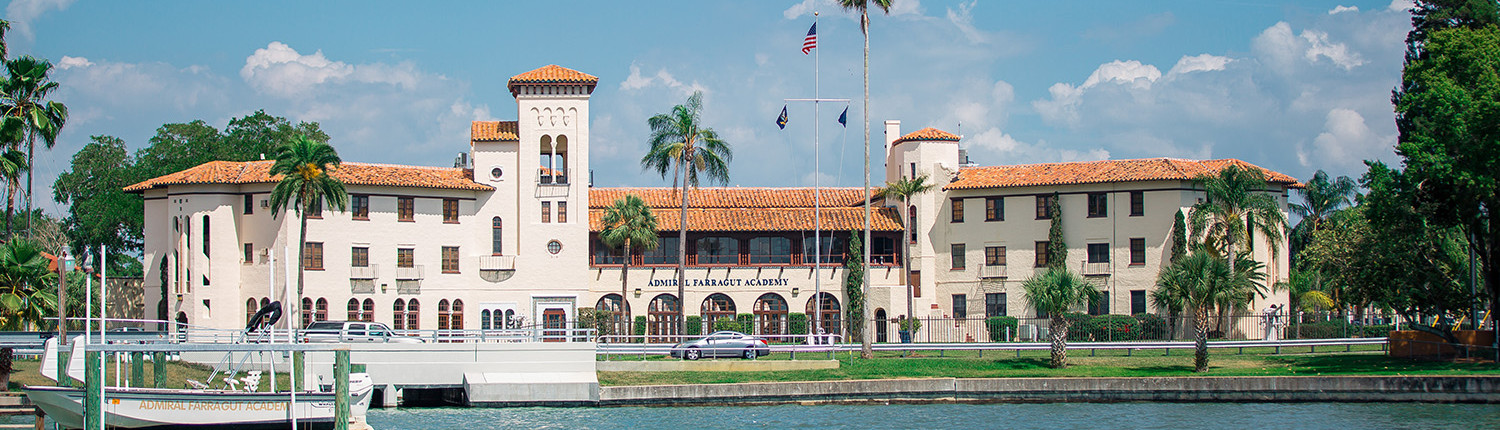
Source: Admiral Farragut Academy
Generally, in U.S. private K–12 schools, financial aid and scholarships serve as important tools to broaden access to education. Although availability and policies vary by school, both options help reduce the financial burden of tuition and contribute to a more diverse student body. International families considering private education should review each school’s requirements carefully to understand what types of support may be available, and it varies to students coming from different countries.
To continue exploring helpful resources, check out more articles from FindingSchool about studying abroad at the high school level.
Latest posts